
Planning custom hats in Surrey: what this guide covers
Promotional headwear works hard. People wear hats often, they travel far, and they show up in photos at events. According to the Advertising Specialty Institute, recipients keep promo headwear for about 10 months, which gives your brand long exposure compared to many items. If you want custom hats surrey that people keep, you need the right style, fit, and decoration.
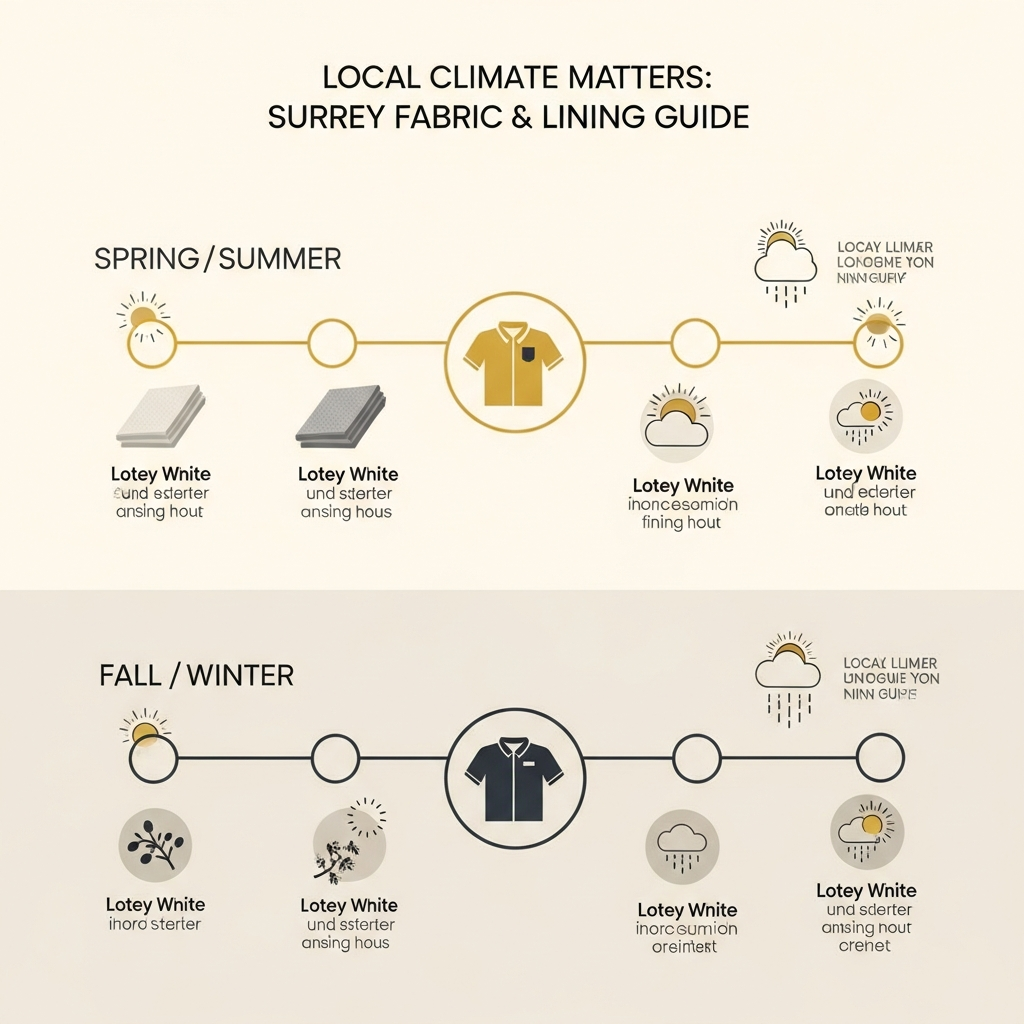
Local climate matters. Metro Vancouver records many days each year with measurable precipitation, according to Environment and Climate Change Canada (source). That much rain changes fabric choices. Mesh and quick-dry nylon shine in spring and summer, while fleece linings and wool blends carry winter.
Here’s what we compare for the seven most-requested styles: fit and closure, fabric choices by season, and branding suitability like direct embroidery, 3D puff, and patches. You’ll see which styles fit your use case and how your logo will present. Then you can move to pricing and production with confidence.
Ready to start browsing options for custom hats Surrey clients actually wear? See what’s possible at custom hats Surrey.
How to choose the right hat style in Surrey
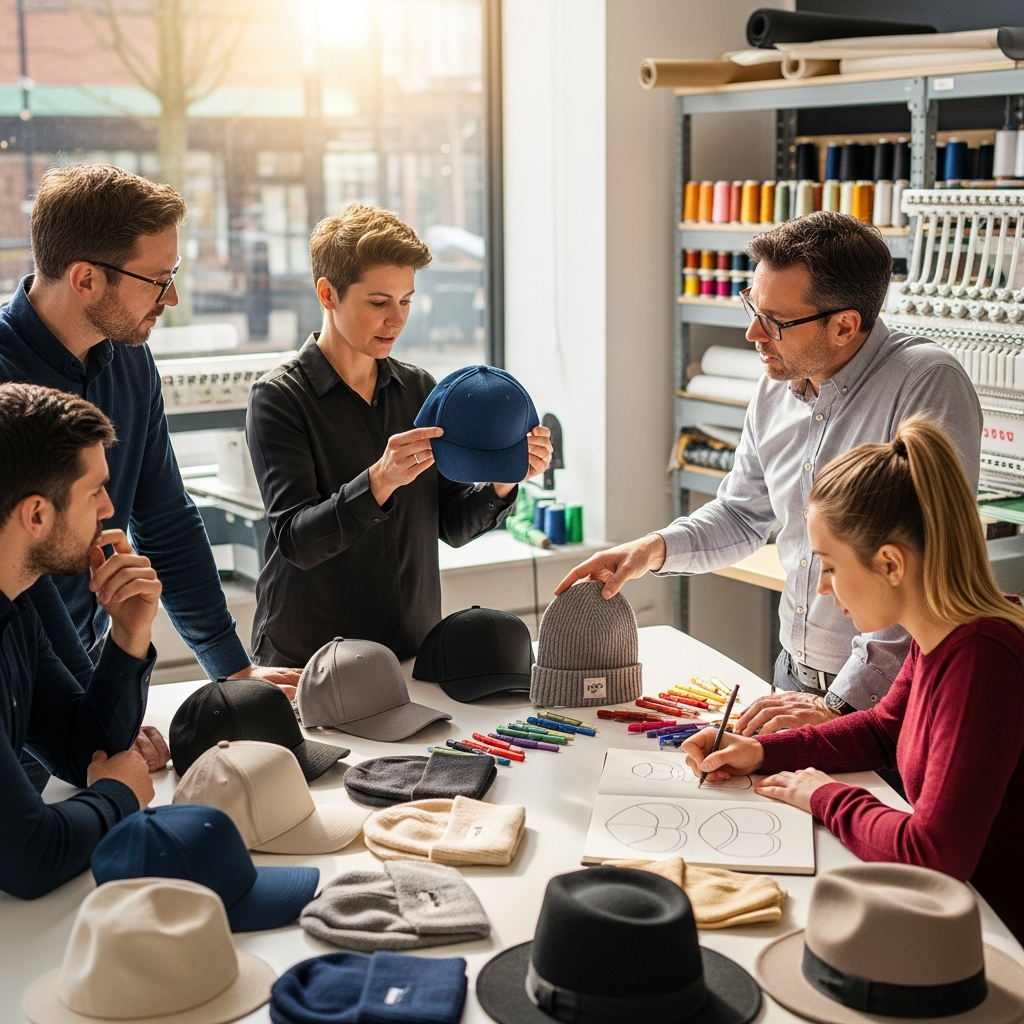
Start with who will wear the hat and where. Indoor retail staff need comfort and a clean look. Outdoor crews need breathability and some water resistance. Winters in Metro Vancouver are mild but wet, with cool January averages, so plan for moisture and chilly mornings.
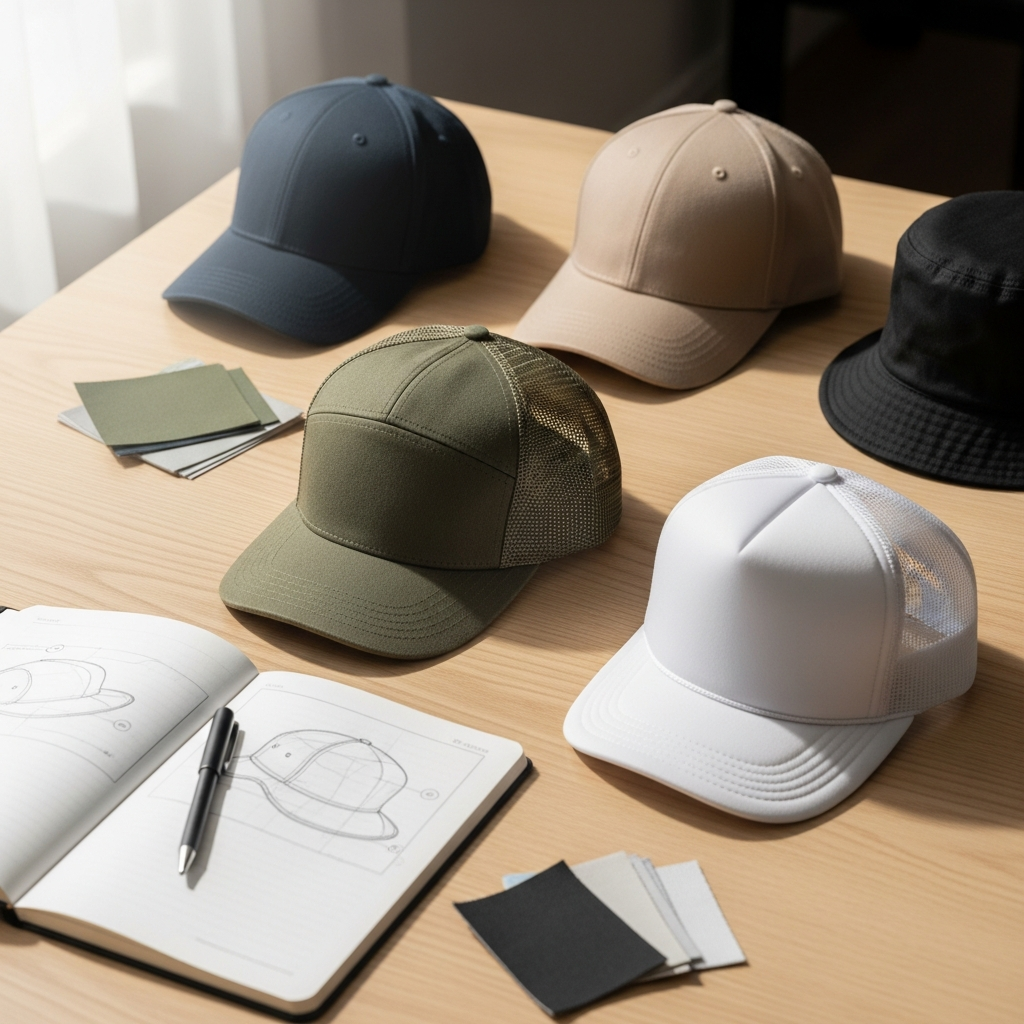
Choose fit and closure next. Adjustable snapbacks or strapbacks cover mixed groups with ease. Fitted size runs look premium for teams, but they require accurate head measurements and an inventory plan. Consider seasonality and fabric: cotton twill for all-around comfort, wool blends for structure, acrylic knits for warmth, mesh for airflow, and nylon for water resistance.
Match decoration to your logo. Direct embroidery brings classic, durable branding. 3D puff pops on structured fronts but demands simplified art. Patches, including woven and leather, handle fine detail and repeated logos cleanly. Because hats are kept about 10 months on average, quality decoration pays off over time. For a deeper production walkthrough, open hat embroidery guide.
Style 1: Snapback caps for bold embroidery
Snapbacks deliver an adjustable fit, a structured front, and a flat or slightly curved brim. The medium to high crown gives you a strong billboard. Acrylic or wool blends keep the front crisp, while cotton twill feels easy for everyday wear. That balance is why custom hats Surrey buyers request snapbacks so often.
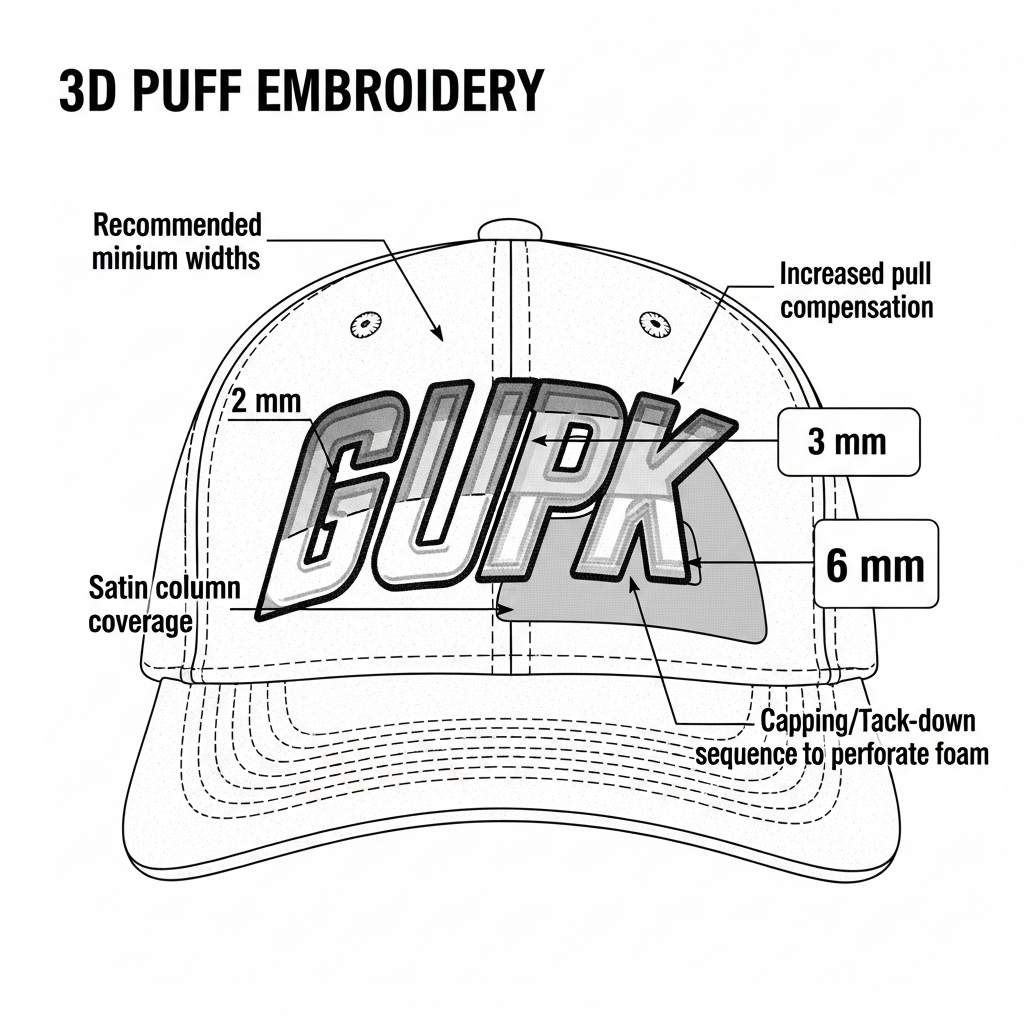
Branding possibilities are broad. Big front hits look bold. 3D puff embroidery adds impact on the crown for athletic or streetwear looks. According to Madeira USA specifications, 3D foam commonly comes in 2 mm, 3 mm, and 6 mm thicknesses. Pair the foam to the logo’s stroke widths for clean coverage, and follow machine and digitizing guidance. Tajima notes you need satin columns wide enough to cover the foam, more pull compensation, and capping or tack-down sequences to seal edges before removing excess foam.
Best for: teams, streetwear drops, retail merch, and sponsorship visibility. Use this style when you want billboard front branding that photographs well. Explore decoration ideas at snapback embroidery.
Style 2: Dad hats for casual branding

Dad hats sit low and relaxed, with a soft crown and curved brim. The strapback closure is easy for mixed groups and staff kits. Cotton twill or garment-washed finishes feel broken in from day one. That comfort-first profile pairs well with a simple logo and a casual uniform.
Keep scale in mind. Unstructured caps can’t take very tall designs on the front. Standard wide cap frames provide about 70 to 75 mm of sewing height on the front, according to Tajima specifications, which naturally limits maximum logo height on low-profile silhouettes. Smaller embroidery, micro marks, or tonal threads look sharp and avoid distortion over seam lines.
Branding is typically small to medium on the front, with optional side initials or department marks. Corporate teams, hospitality, and retail often choose this for a softer, approachable look. If you want understated branding with daily comfort, this is the safe pick. See options at dad hat embroidery.
Style 3: Trucker caps for breathable workwear
Trucker caps combine a structured front with mesh in the back for airflow. They shine for outdoor crews, summer events, and warm warehouse work. WorkSafeBC’s heat stress guidance recommends breathable clothing in hot conditions, which lines up with mesh-back caps for comfort on the job.
Decide between foam-front retro styles and structured twill fronts. Foam fronts feel vintage and pop in photos, but crisp embroidery is easier on structured twill. For decoration, go big on the front panel with direct embroidery, or use woven or leather patches when you need fine details or repeatable precision. Patches also add durability for high-wear crews.
Best for trades, construction, outdoor retailers, and event giveaways that need ventilation and high visibility. If you need trucker caps with a logo for summer crews, this is a practical pick that still carries brand impact. Compare decoration methods at trucker cap embroidery.
Style 4: 5-panel and camp caps with clean fronts
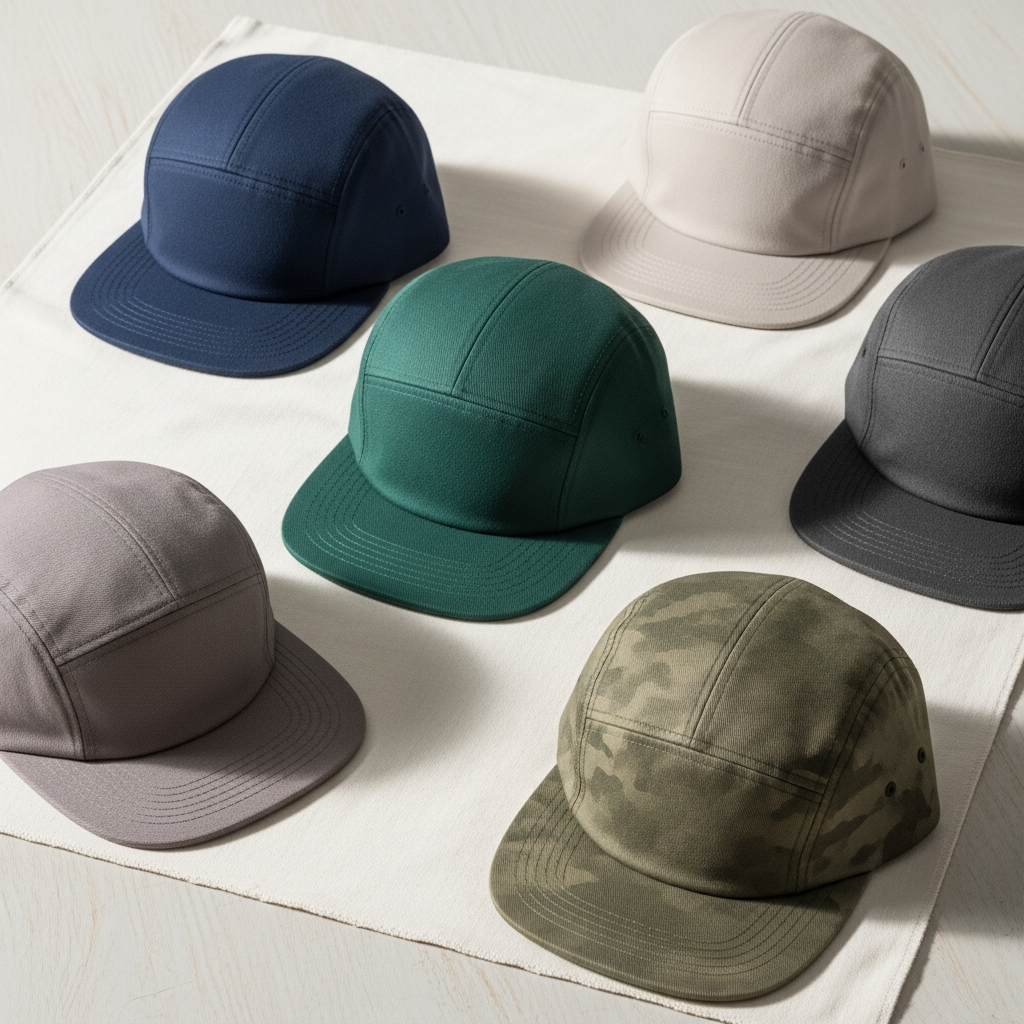
A single front panel gives you a clean, uninterrupted canvas. That is the win with 5-panel and camp caps. You often get a flatter brim and a low to mid crown for a sleek profile. Fabrics range from durable canvas and cotton twill to quick-dry nylon, which makes this silhouette adaptable from office to field.
Branding options lean toward crisp front embroidery or neatly applied patches. Woven label patches bring fine detail without thick stitch counts. Leather patches add texture and a premium feel. Because there is no center seam interrupting the art, small marks stay legible and geometric logos hold their shape.
Best for outdoor brands, creative agencies, and streetwear labels that want a modern shape with flexible materials. If you need a minimal canvas that photographs cleanly for lookbooks or product pages, start here. See what works on this panel layout at 5-panel hat embroidery.
Style 5: Fitted caps for premium team looks
Fitted caps read premium and athletic. There is no visible closure, which gives a clean back profile for uniforms and retail. Performance polyester or wool blends maintain shape, especially with structured crowns. That structure also supports bold front branding and 3D puff.
Sizing needs a plan. Anthropometric references from the ANSUR II survey indicate adult men’s head circumference often falls in the mid 50s to low 60s cm across common percentiles, with adult women typically in the low 50s to high 50s cm range. That spread means you’ll need a size run for teams or retail launches. Get head measurements early or stock a balanced size curve.
Branding suits sport aesthetics: front 3D puff, side numbers or initials, and back league marks where applicable. For staff who need a pro look or for fan merch, fitteds carry authority on the shelf and on the field. Plan your size curve and decoration at fitted cap embroidery.
Style 6: Beanies and toques for wet winters
Beanies carry Surrey through fall and winter. Lower Mainland winters are cool and wet, with December and January each averaging many days with precipitation and mean temperatures near the mid 3s Celsius, according to Environment and Climate Change Canada. That is why crews ask for warmth-first styles long before the first frost.
Choose acrylic for durability and shape retention. Pick wool blends for premium warmth. Fleece-lined options help on windy sites or early morning setups. Cuffed beanies increase the decoration area, so you can scale up a patch or embroidery for better legibility.
Branding options include direct beanie embroidery on the cuff, woven patches for small-detail logos, and leather patches for a heritage look. Campus groups, winter crews, and seasonal drops all rely on this category for daily wear. If your staff works outdoors or commutes by transit, invest here. Explore styles at beanie embroidery.
Style 7: Bucket hats for sun-safe events
Bucket hats are casual with a 360 degree brim that reads summer and festival. Fabrics range from breathable cotton twill to rugged canvas to nylon for light rain. Health Canada encourages wide-brimmed hats for sun protection because they shade the face, head, ears, and neck, which makes this silhouette a smart pick for outdoor events (source).
Branding sits front and center with modest embroidery or applique. Wrap labels add a branded accent on the edge. Because the brim moves, keep art tighter and avoid overly tall designs. For tourism, lifestyle brands, and event promos, buckets feel on-trend without losing function.
If you’re planning a summer activation, this style pairs well with sunscreen stations and shaded lounges. It captures photos and attention. See placement options at bucket hat embroidery.
Best hat embroidery methods and when to use them
Pick the method that fits your art and the hat’s structure:
-
Direct embroidery: durable and classic. Great for medium to bold logos. Works across most caps and beanies.
-
3D puff embroidery: high impact on structured fronts. According to Madeira USA and Tajima tech tips, use foam thickness that matches your stroke widths, digitize with satin coverage, add pull compensation, and include capping or tack-down to perforate the foam for clean edges.
-
Patches (woven, embroidered, or leather): ideal for fine details or complex marks. Heat press or sew on, depending on fabric and wear.
Placement matters. Manufacturer cap frames define the safe field. Tajima’s wide cap frame provides about 75 mm of height on the front, so keep tall art within that field and away from heavy seams to avoid registration issues. Side and back placements work for personalization or sponsor marks. For a side-by-side of method pros and cons, open hat embroidery.
Logo and file prep checklist for clean hat embroidery
Great embroidery starts with clean art and smart digitizing. Use this checklist to avoid surprises:
-
Provide vector artwork and identify thread or Pantone targets for color accuracy.
-
Simplify tiny text and thin strokes. Avoid gradients and fine halftones that don’t translate to thread.
-
Request professional digitizing tuned for cap fronts versus beanies. Structured fronts may need extra pull compensation or sequencing, especially for 3D puff.
-
Approve a stitch-out or clear photo proof before production. Catch scale and clarity issues early.
Share these specs with your rep and ask for suggestions on thread types and densities for your chosen fabric. If you need help translating art to stitches, start with embroidery digitizing.
Quantities, pricing, and lead times for Surrey orders
Pricing depends on variables you can plan. Brand and style selection sets the base cost. Decoration method and stitch count drive embroidery pricing. The Advertising Specialty Institute notes that embroidery is commonly quoted by stitch count, with surcharges for specialty techniques like 3D puff.
Quantity matters too, since price breaks reduce unit costs. Rush options exist, but they can add fees and may limit technique choices. Standard timelines include art setup, digitizing, proof approval, and production, then pickup or courier. Busy seasons can stretch timelines, so book early for fall team kits or spring event calendars.
If you’re in the Surrey area, ask about local pickup versus courier delivery for tight deadlines. When you’re ready to price your project, request details at request a hat quote.
Quick picks: match the right hat to your scenario in Surrey
Use these fast picks when you need direction now:
-
Outdoor crews in warm months: trucker caps with breathable mesh and a durable woven patch.
-
Winter staff kits: cuffed beanies with woven patches for clarity in small logos.
-
Corporate casual uniforms: dad hats with small tonal embroidery for a soft, friendly look.
-
Sports teams and fan merch: snapbacks or fitted caps with 3D puff for bold front marks.
Need a roster plan for a league or club? Start here: team hats.
Next step: get samples or a custom proof
Ask for a curated sample set aligned to your use case, season, and budget. Include at least one alternative silhouette to compare hand feel and structure. And get a free digitizing review with a stitch-out proof so you can see scale, coverage, and clarity before you commit.
If you’re ready to dive into specs, MOQs, and timelines, continue to our decision-stage resource at hat embroidery guide.
Key takeaway: choose a style that fits your wearers, match the fabric to Surrey weather, then use the right embroidery method. That is how custom hats surrey look great and last.