
1. Workwear Printing in Surrey: What Buyers Need to Know
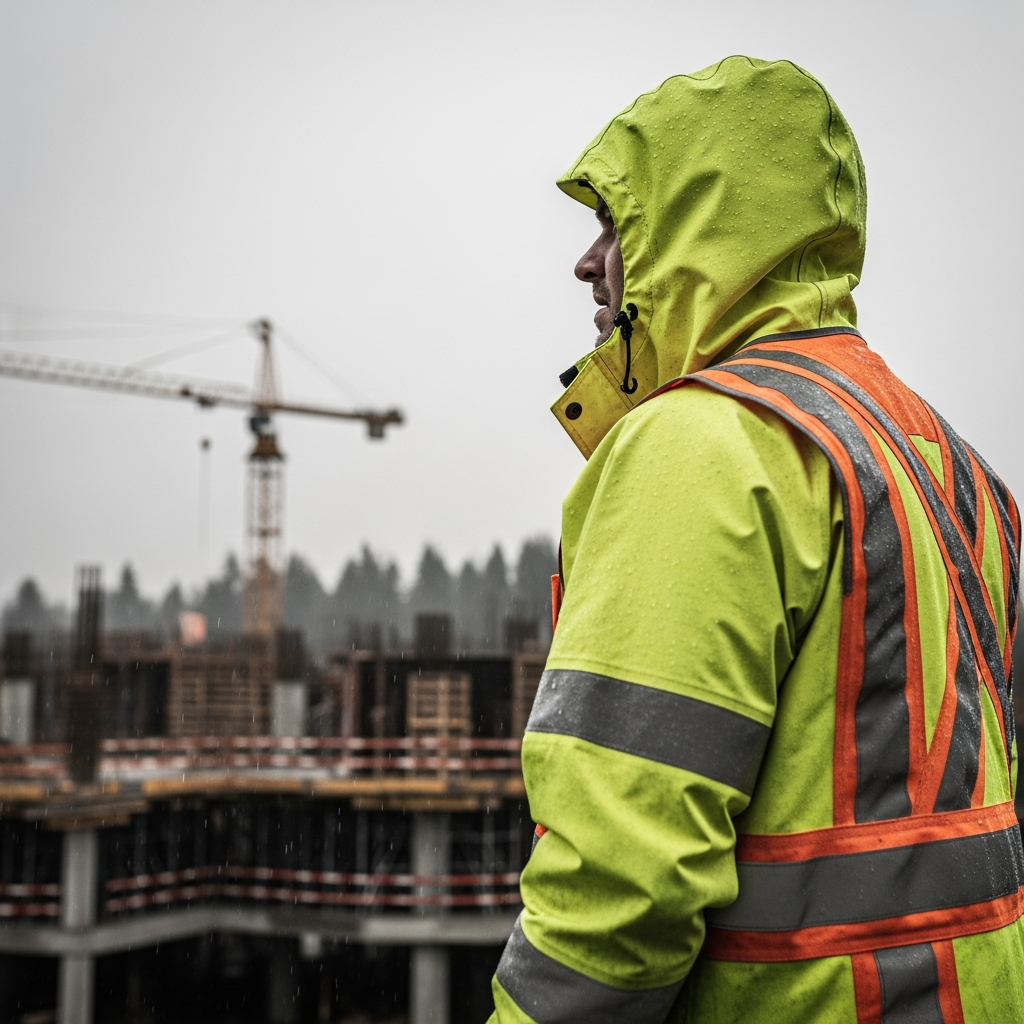
Wet sites, tight timelines, and strict standards. If you outfit crews, this is daily life. For most of Metro Vancouver, rain is common: about 1,189 mm and roughly 165 wet days in a typical year, according to Environment and Climate Change Canada. That means soaked gear, slippery surfaces, and visibility risks. WorkSafeBC requires high-visibility apparel that meets CSA Z96 when workers face moving vehicles or equipment, see WorkSafeBC.
Your outcome: durable branding that survives rain, abrasion, and laundering while staying CSA compliant. We map garments to site conditions, then recommend print or embroidery that protects waterproofing and reflectivity. And we flag what passes compliance before you commit. This guide supports our wider Workwear & Safety program, with deeper CSA details here: Workwear & Safety.
If you’re searching for workwear printing surrey solutions, use this buyer’s checklist: pick the right shell or vest class, match a compatible decoration method, confirm logo placement, then plan care and replacement. Simple. Effective.
2. How to Choose Durable, Brand-Ready Workwear in Surrey
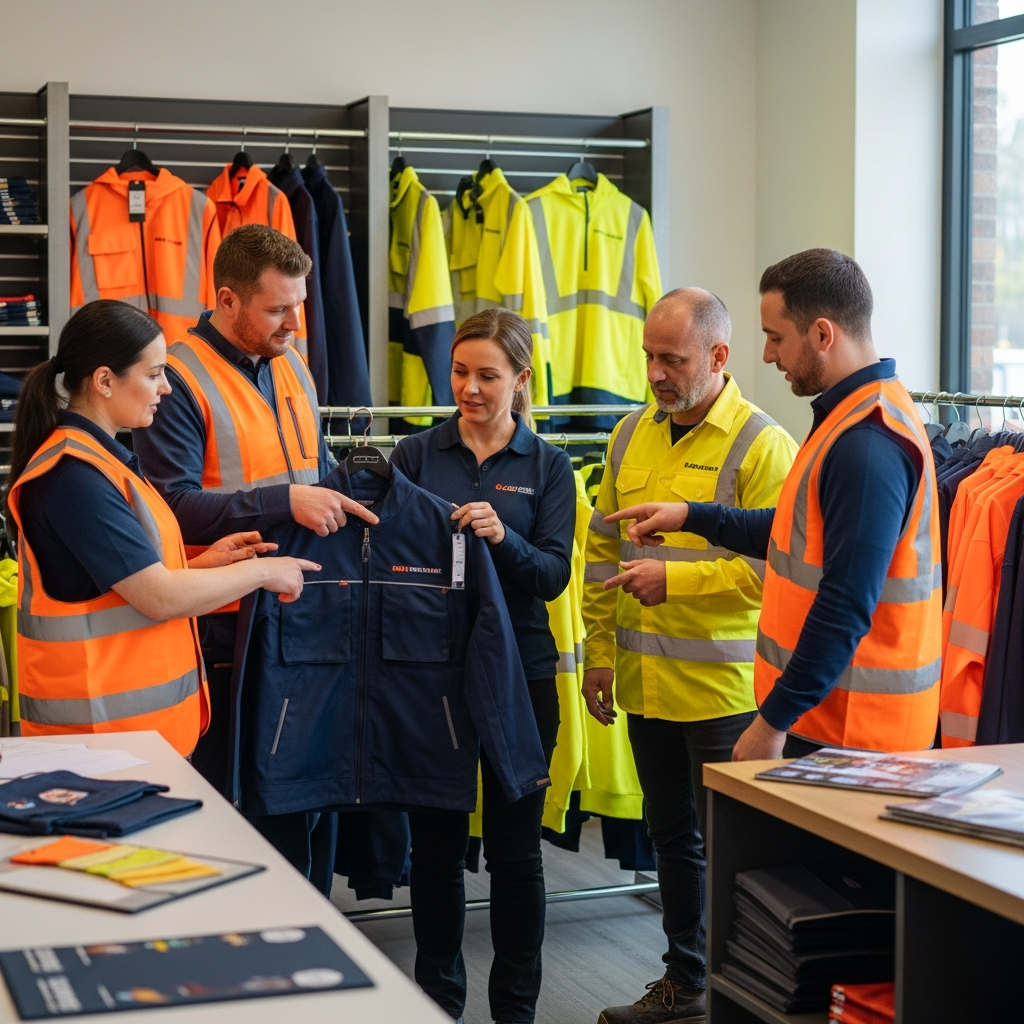
Start with conditions, not logos. Waterproof shells need proof you can trust, so ask for hydrostatic head ratings from ISO 811. Then check breathability. ASTM E96 results, often listed as MVTR, show how fast sweat vapor escapes during hard work. Add insulation for winter. And pick fabrics with strong abrasion resistance for heavy job sites.
Confirm compliance next. CSA Z96 defines classes with required background and retroreflective areas, plus Canadian X-back striping. Pick the class for your traffic risk and lighting. Then check logo compatibility. Fabric and tape layout decide what lasts, where logos can go, and whether waterproof integrity stays intact.
Think total cost, not unit price. Care labels drive adhesive life and reflective performance, so plan laundering around real settings, not ideal ones. Replacement cycles vary by task intensity and season. And ask your vendor for aftercare support, like reproofing tips, replacement patches, and quick reorders.
3. Best Jackets for Custom Branding: Top Picks by Job Site
-
Waterproof and breathable shells for rain: Choose seam-taped shells with published ISO 811 and ASTM E96 figures when available. For branding, use low-temperature stretch heat transfers or heat-seal patches that avoid needle holes. Many technical brands warn that embroidery can create punctures that compromise waterproofness. Protect the membrane. Keep crews dry.
-
Softshells for mobility and light wet: Softshells shine when you need stretch and comfort. Use embroidery for a premium look or silicone and PU inks that move with the fabric. Keep heat low for laminates. For hi-vis pieces, place logos away from reflective tape and stress seams.
-
Insulated parkas or 3-in-1 systems for winter crews: Place logos where insulation bulk won’t distort graphics. Avoid stitch lines in waterproof zones. Heat-applied patches on the left chest and upper back usually balance visibility, longevity, and comfort.
-
Duck canvas or cotton for abrasion-heavy tasks: Screen print or embroidery works well on these tough fabrics. Use firm stabilizers for clean stitching, and keep detail bold for long wear.
Explore proven jackets and placements here: workwear jackets for printing.
4. Best CSA Safety Vests for Custom Branding in Surrey
Choose the right class. CSA Z96 Class 2 often fits daytime roadway or construction with moderate traffic interaction. Class 3 increases coverage for higher risk or night operations. In Canada, X-back striping helps signal worker orientation, which many safety bodies prefer. Keep that X visible.
Pick the vest type for the task. Tear-away designs reduce snag risk near moving equipment. Surveyor vests add pockets for tools and tablets. Insulated vests help winter crews stay warm and seen. For mud and grime, black-bottom options manage appearance without reducing critical visibility.
Logoing hi-vis polyester takes care. Use reflective heat transfers for logos, and never cover or interrupt the mandated striping. Large back prints can sit below the tape on compliant areas. Left-chest marks keep ID clear without risking compliance. For custom safety vests Surrey buyers, request CSA Z96 compliant vests with placement diagrams.
Find local-ready picks: custom safety vests Surrey.
5. Printing vs Embroidery by Fabric and Site Conditions
-
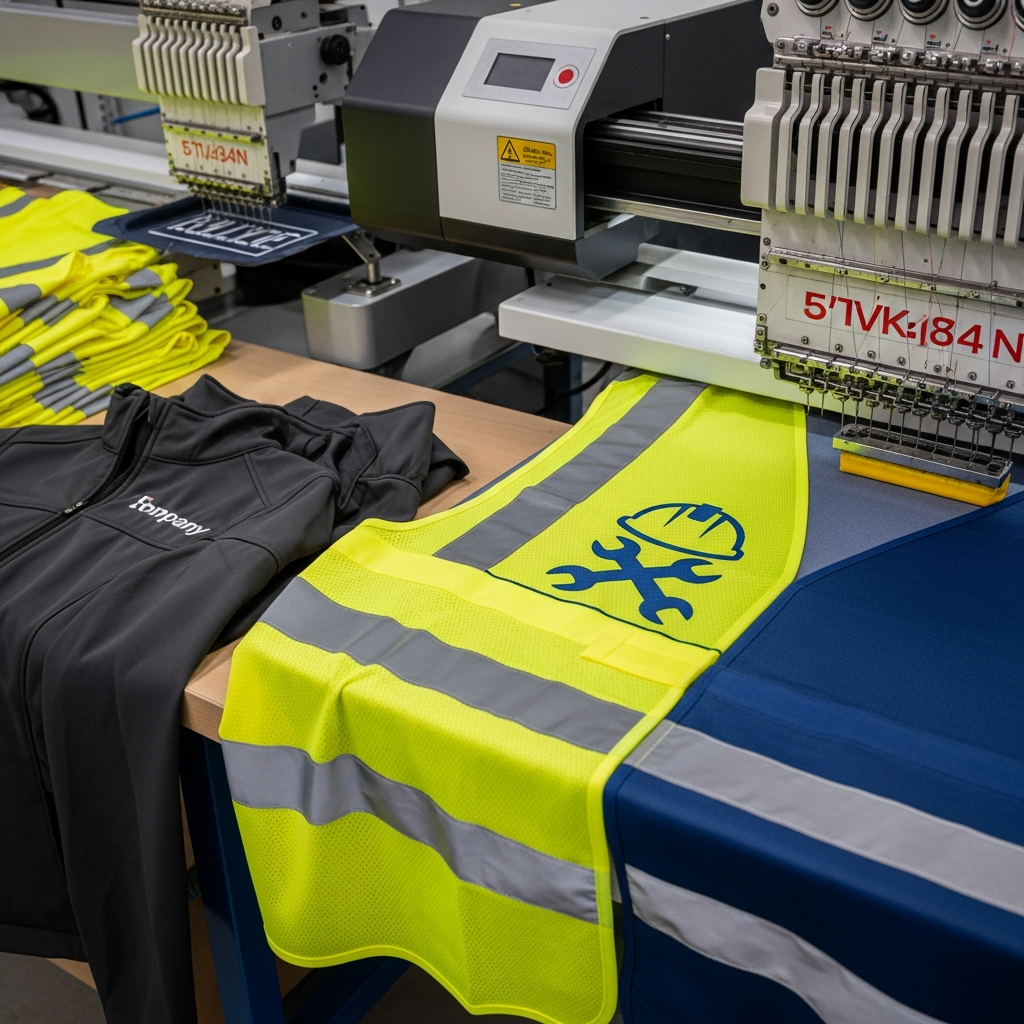
Hi-vis polyester (mesh or solid): Use reflective heat transfers engineered for high-visibility garments. They deliver visibility and wash durability on polyester. Screen print can work for large back prints on solid areas. Do not print over tape.
-
Softshells and waterproof shells: Choose low-temperature adhesive transfers or bonded patches. Sewing introduces holes that can leak unless seams are sealed, so transfers help protect waterproof performance.
-
Cotton or duck: Embroidery and plastisol or silicone inks are reliable on heavy fabrics. Expect to use stronger stabilizers and higher tension for clean detail.
-
FR garments: Only use FR-rated threads, backings, patches, and heat transfers. Non-FR embellishments can degrade protection and may void certification. When in doubt, ask for proof of FR ratings on every component.
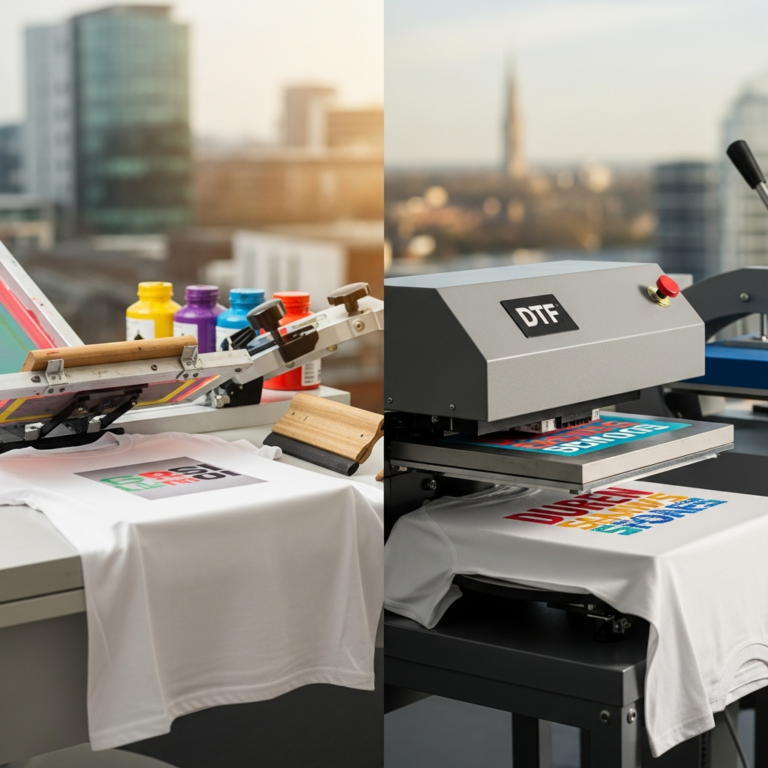
For a deeper comparison of methods, see embroidery vs printing for workwear.
6. Logo Placement That Passes CSA Z96
Protect the required areas. CSA Z96 sets minimum background and retroreflective coverage by class, and logos are allowed only if they don’t reduce those areas or break the striping pattern. That means no printing over tape or blocking shoulder bands.
Place logos where compliance stays intact and visibility remains high. Preferred spots: left chest, upper back or back yoke, and below the horizontal tape on the lower front. Keep front sizes modest so tape remains visible from angles. Build a clear identity hierarchy: small left chest for worker or company ID, larger upper back for brand recognition.
Remember the X-back in Canada. Do not place or size marks that break the chevrons. Keep hi-vis garments clean and unobstructed, since soiling and damage reduce conspicuity and may require repair or replacement. For a full rules checklist, review: CSA Z96 compliance guide.
7. Durability, Care, and Lifespan Expectations
Care labels matter. Adhesives and reflective films can fail early if you exceed wash temperature or tumble settings. Laundering, abrasion, and some cleaners can also reduce reflectivity. So follow the garment maker’s care label, and any decoration instructions, to keep performance high.
Waterproof shells need specific aftercare. Reproof the outer fabric as needed, and protect seam tape so water keeps beading and membranes keep breathing. If a repair is needed, use appropriate patches or ensure any new seams are sealed. That protects comfort and your branding.
Look for testing signals from manufacturers. Abrasion resistance is often reported with Martindale under ISO 12947 or Taber under ASTM D3884. Laundering durability may cite ISO 6330 or AATCC TM135. Ask for these data points, then choose decoration systems rated to similar wash and abrasion levels.
8. Cost, Lead Times, and Minimums for Surrey Projects
Budget the right drivers. When you scope workwear printing surrey projects, total price depends on garment type, decoration method, logo count and size, and any reflective or FR materials. Yes, waterproof shells with low-temp transfers cost more than cotton with standard screen print. But they last in rain and help avoid reorders.
Lead times shift with season, stock, and approvals. Early purchase orders and fast art approvals keep projects on schedule. If you need field tests, build that time in. You can also phase rollouts by crew or site when timelines are tight.
Minimums vary by process. Screen print usually has higher MOQs. Embroidery can scale down for small runs. Heat transfers sit in the middle and shine on technical shells. Local stock helps Surrey crews move fast, while special-order items may take longer but solve specific risks.
9. Quick Case Snapshots: What Works on Site
-
Civil contractor in rainy season: Seam-taped shells with low-temperature reflective transfers, placed left chest and upper back. No needle holes. Field teams stay dry and visible.
-
Electrical firm uniforms: Softshell jackets with tonal embroidery for client visits, paired with CSA Z96 compliant vests using reflective logo transfers. One standard that flexes from office to site.
-
Roofing crew with heavy abrasion: Duck jackets branded with embroidered patches. In winter, crews shift to insulated vests with compliant placements that keep tape visible and boost warmth. Clean, tough branding that survives ladders and rough surfaces.
These patterns repeat. Pick fabric for risk, then choose decoration that respects the fabric and the standard.
10. How to Brief Your Printer for a First-Time Order
-
Define the use case and hazards: day or night exposure, traffic proximity, season, waterproofing needs, and any FR requirements. Note mud, edges, or snag risks.
-
Select garments by fabric and class: request spec sheets with ISO 811 and ASTM E96 values for shells, CSA Z96 class details for vests, and any insulation data. Ask for decoration recommendations per fabric.
-
Prepare artwork right: provide vector files, PMS brand colors, and placement diagrams showing left chest, upper back, and any secondary marks. If possible, request a pre-production proof on the actual fabric.
-
Confirm compliance and care: note CSA Z96 placement rules on purchase orders, require that tape isn’t covered, and include care instructions for reflectivity and adhesives. Train site leads on storage and laundering so performance holds up.
11. FAQs: Workwear Printing in Surrey
-
Will embroidery compromise a waterproof jacket? It can. Stitch holes may reduce waterproof properties. Heat-applied transfers or bonded patches are usually the safer choice for shells.
-
Can we print on reflective tape? No. The striping must remain visible and in the required configuration to meet CSA Z96. Place logos without covering or breaking the tape.
-
What are typical minimums and turnaround for vests and jackets? MOQs vary by process. Screen print prefers larger runs, embroidery scales to smaller orders, and heat transfers fall between. Lead time depends on stock and approvals.
-
Can FR garments be branded without voiding certification? Yes, as long as all embellishments are FR rated, including thread, backing, patches, and transfers.
12. Get Durable, Compliant Branding That Works on Site
Choose the right garment, choose the right method, and place logos where CSA Z96 stays intact. That’s the formula. We’ll help you spec shells and vests, test transfers on the exact fabrics, and confirm placements that protect tape and background areas.
Next step: get samples into the field, lock art and positions, then schedule a phased rollout by crew or site. We’ll document care instructions that preserve reflectivity and waterproofing, and we’ll support fast reorders as teams grow.
Ready to talk workwear printing surrey and build a durable program for your crews? request a quote